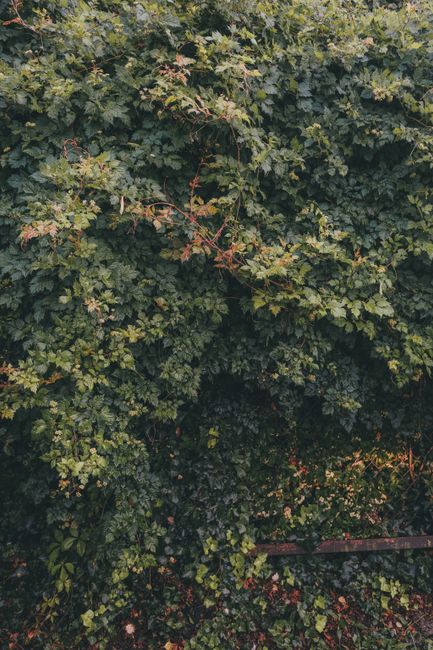
Emergency Ivy Removal Gardeners Near Aldgate East Station: Fast, Safe Help When Ivy Gets Out of Hand
If ivy has suddenly started climbing a wall, creeping under rooflines, or swallowing a fence near Aldgate East station, you probably do not have time for a slow, do-it-yourself tidy-up. Emergency ivy removal gardeners near Aldgate East station are the people you call when the job has turned urgent, awkward, or potentially risky. That might mean ivy is spreading into gutters, stressing masonry, obscuring access, or simply becoming too much to handle before guests, tenants, or contractors arrive. Whatever the trigger, the goal is the same: remove the problem safely, quickly, and without creating a bigger mess.
This guide explains what emergency ivy removal actually involves, how the process usually works, what a good local response looks like, and how to decide whether you need a one-off rescue or a more considered follow-up plan. You will also find a practical checklist, a comparison table, and a few plain-English answers to the questions people ask most. To be fair, ivy has a habit of looking innocent right up until it is not.
Why Emergency Ivy Removal Gardeners Near Aldgate East Station Matters
When ivy is left alone, it rarely stays in one neat place. It can spread across walls, into timber joints, around drainage points, over boundary fencing, and through other planting. In a busy part of London like Aldgate East, that matters for more than just appearances. Access routes can become blocked, maintenance work gets harder, and a small problem can become a larger repair issue if the growth is heavy enough or has been neglected for years.
There is also the timing factor. Emergency work is often about the moment, not the species. A tenant move-out, a landlord inspection, a sale prep, scaffold access, a neighbour complaint, or a sudden need to reach a rear entrance can all turn ivy removal into a same-day priority. When that happens, you need a gardener who understands how to cut back growth efficiently without damaging nearby surfaces or leaving a dangerous tangle behind.
In our experience, the people who seek urgent ivy removal are usually not being dramatic. They have noticed something real: trapped moisture, loosened mortar, hidden cracks, blocked gutters, or a fence panel that is basically hanging on by hope and a bit of luck. Those are fair reasons to act.
For longer-term ivy management and follow-up planning, it can also help to read innovative solutions to clear out ivy for good, which explores the difference between a one-off cutback and a more durable removal strategy.
How Emergency Ivy Removal Gardeners Near Aldgate East Station Works
A proper emergency response usually starts with a quick assessment. The gardener will want to know where the ivy is growing, what it is climbing on, whether it is attached to brick, render, timber, trellis, or a fence, and whether there are access or safety concerns. That first judgement matters because ivy removal is not just about pulling. Pull too hard and you may damage mortar, shingles, paint, or the very structure you are trying to protect.
Once on site, the approach is typically controlled and staged. The team may begin by cutting back the upper and outer sections so the plant stops spreading further. Then they will work down toward the main stems, identifying what can be safely detached and what needs to be left for a later extraction step. If roots or holdfasts are deeply embedded, a gentler, phased removal is often safer than brute force. Not glamorous, but effective.
Depending on the situation, the job may include clearing fallen debris, checking drains or gutters for blockage, and tidying access paths so the area is immediately usable again. If the ivy is entwined with other planting, the gardener may need to preserve nearby shrubs or climbers rather than stripping everything bare. That is where experience really shows.
Some jobs are completed in one visit. Others need a follow-up to remove regrowth, deal with stump remnants, or re-establish a cleaner boundary. If you are trying to understand how persistent ivy can be, the article on luxuriant evergreen climbers is a useful reminder that climbers can be beautiful, but they need clear boundaries.
Key Benefits and Practical Advantages
The obvious benefit is speed. When an ivy issue has become urgent, fast action can prevent further spread and reduce the risk of damage or inconvenience. But there are other advantages too, and they are not minor.
- Safer access: entrances, side passages, and service areas become easier to use again.
- Reduced structural pressure: heavy ivy can trap moisture and hide deterioration, especially on older surfaces.
- Cleaner presentation: if you are preparing a property for sale, inspection, or tenants, first impressions improve quickly.
- Better visibility: windows, lighting, vents, and boundary features stop being hidden behind a wall of growth.
- More manageable maintenance: once the bulk is removed, future garden care is simpler and less costly.
Another practical advantage is judgement. A skilled gardener can decide what to remove now, what to leave for later, and how to avoid a rushed job that creates future headaches. Truth be told, ivy removal is one of those tasks where the cheapest-looking option can become the most expensive if the wall gets damaged or the roots are handled badly.
If you are looking at the wider condition of the garden after ivy clearance, it may also be worth thinking about follow-up maintenance or even a reset. Services such as garden maintenance and landscaping can help turn a sudden clearance into a more workable outdoor space rather than just a temporary fix.
Who This Is For and When It Makes Sense
This service is not only for dramatic overgrowth. In practice, emergency ivy removal can suit a range of people and situations:
- Homeowners facing ivy that has suddenly spread onto walls, fences, or roof edges.
- Landlords and letting agents needing quick clearance before inspections, new tenancies, or repairs.
- Businesses that want to keep entrances, courtyards, or service areas clear and presentable.
- Property managers dealing with a complaint, blocked access, or visible encroachment from one side of a boundary.
- Residents with limited access where the ivy has made ladders, bins, or maintenance work difficult.
It makes sense when the ivy is actively causing inconvenience, safety concerns, or the risk of cosmetic and structural deterioration. It also makes sense if you have already tried to trim it yourself and realised the job is larger than expected. That happens more often than people admit. There is no medal for wrestling a mature climber with garden shears and optimism.
If you are not sure whether the job has reached emergency territory, a good rule of thumb is this: if the ivy is affecting access, hiding damage, or growing into a hard-to-reach area, treat it as urgent rather than waiting for a calmer season.
Step-by-Step Guidance
If you are arranging urgent ivy clearance, here is the practical sequence that usually leads to the best result.
- Inspect the affected area. Note where the ivy is growing, what it is attached to, and whether there are visible issues such as loose mortar, blocked gutters, or unstable fence sections.
- Identify immediate risks. Check for hazards like trip risks, low visibility, obstructed exits, or growth near power, lighting, or fragile surfaces.
- Prioritise the most urgent sections. A fast cutback may be needed first at access points, corners, or overhanging growth before full removal begins.
- Decide on the right method. Some ivy can be carefully detached; other situations need staged cutting and later root management.
- Clear the waste properly. Ivy debris can be heavy and awkward. Bagging, loading, and disposal all matter if you want the site neat at the end.
- Check for regrowth points. Stumps, runners, and hidden stems can all restart growth if left unchecked.
- Plan the next step. After emergency removal, consider whether you need follow-up pruning, wall repair, fence replacement, or a different planting choice.
A quick call to the team is usually the fastest way to get an assessment, especially if you need same-day help or are not quite sure how serious the spread is.
Expert Tips for Better Results
First, do not rip ivy straight off a wall unless you are sure the surface can handle it. Older masonry and painted render can be more delicate than they look, and aggressive pulling can leave behind damage that becomes visible only later. A careful cut-and-release approach is often kinder.
Second, watch for hidden attachment points. Ivy can thread behind downpipes, into fence joins, around vents, and through support structures. A quick surface cut is often only half the story.
Third, think about what happens after the ivy comes down. If sunlight suddenly reaches a patch of soil or bare wall, weeds can move in fast. That is why follow-up planting or ground coverage can be useful. For ideas, the piece on stunning ground covers is a handy read if you want a cleaner, lower-maintenance finish after clearance.
Fourth, if the area is shaded, you may want to replace dense ivy with something more controlled rather than leaving a bare, awkward patch. For smaller spaces, container gardening ideas can help you create a softer look without inviting another takeover.
Finally, if you are dealing with repeated regrowth, do not just keep trimming the top. That can buy time, but it does not solve the underlying issue. A proper removal plan, and sometimes a bit of re-design, is usually the better long game.
Common Mistakes to Avoid
A lot of ivy problems get worse because people act fast but not carefully. That is understandable. Still, there are a few common mistakes worth avoiding.
- Pulling too hard: this can damage walls, soffits, paintwork, or fencing.
- Leaving the lower stems intact: the plant may regrow from hidden sections.
- Ignoring blocked drains and gutters: ivy debris can quickly create follow-on issues.
- Cutting without a disposal plan: the pile of waste can become bigger than the original problem.
- Assuming one treatment fixes everything: mature ivy often needs a follow-up visit or maintenance plan.
- Forgetting adjacent plants: nearby shrubs or climbers can be damaged in the rush.
One small but important point: if ivy is near a structure you suspect is already weakened, resist the temptation to solve it alone. It is much easier to remove growth safely than to repair avoidable damage later. And yes, that advice comes from watching more than one enthusiastic DIY effort go slightly sideways.
Tools, Resources and Recommendations
For emergency ivy removal, the right tools depend on the scale of the job. A professional gardener will usually bring cutting tools, protective gloves, waste sacks, and access equipment appropriate to the site. In some situations, a brush cutter or pruning saw may be helpful, but only where there is enough control and enough space to work safely.
For property owners, the most useful resources are often not fancy tools at all. They are a clear note of where the ivy is spreading, photographs taken before work begins, and a quick list of what matters most: access, wall protection, boundary safety, or visual presentation. That saves time on site, which matters when you are trying to get the job done promptly.
If you are building a wider garden plan, a few related pages may help with follow-up thinking. For example, general gardening services can cover broader upkeep, while tree surgery may be relevant if ivy is entangled with larger woody growth or overhanging branches.
If the area needs to stay tidy after clearance, a later pass through patio cleaning or fencing work can make the whole space feel properly reset. Little thing, but it makes a big difference visually.
Law, Compliance, Standards and Best Practice
Emergency ivy removal in the UK is mostly about safe working practice, care for property, and being mindful of any nearby hazards. It is not usually a highly regulated process in itself, but sensible standards still matter. Good gardeners will typically work in line with practical health-and-safety expectations, use appropriate protective gear, and avoid exposing people or property to unnecessary risk.
If the job involves access equipment, awkward heights, shared boundaries, or potentially unstable surfaces, caution should increase rather than decrease. In a city setting, that often means checking the work area, managing debris carefully, and making sure the site is left safe for residents, passers-by, and anyone else who needs to use it.
Where nearby property or access routes are shared, it is also good practice to communicate clearly before major clearance begins. That reduces friction with neighbours, building managers, or tenants. Not every issue needs a formal notice, but a quick heads-up can prevent a lot of hassle.
For peace of mind on service expectations, it can be helpful to review the company's insurance and safety information, along with its health and safety policy. If you want to understand how quotes are handled, pricing and quotes is also worth a look. Those pages do not solve the ivy problem, of course, but they do help you choose with a clearer head.
Options, Methods, and Comparison Table
There is more than one way to deal with urgent ivy growth. The best option depends on how far it has spread, what it is attached to, and whether you want complete removal or simply controlled reduction for now.
| Method | Best for | Advantages | Limitations |
|---|---|---|---|
| Fast cutback | Immediate access and visibility | Quick, tidy, reduces spread at once | May not remove roots or embedded stems |
| Careful full removal | Ivy on walls, fences, or structures | More thorough, better long-term control | Can take longer and may need follow-up |
| Staged removal | Older or heavily attached growth | Lower risk of damage, safer for fragile surfaces | Not always a same-day finish |
| Containment and maintenance | Where ivy is wanted but must be managed | Preserves greenery while stopping spread | Requires ongoing attention |
If you have a mature, stubborn patch, staged removal is often the most sensible choice. It may not sound dramatic enough for an "emergency" label, but it is usually the method that protects the property best. Sometimes slower is smarter. Annoying, yes. Smarter, also yes.
Case Study or Real-World Example
A typical local scenario goes like this: a property near Aldgate East station has ivy covering part of a rear boundary wall and wrapping into a side passage. The ivy starts to obscure the path, the wall feels damp in places, and a contractor needs access within a tight timeframe. The owner does not want the growth simply hacked down because the wall is old and there are nearby fixtures to protect.
In that kind of job, an experienced gardener would usually begin with a quick assessment, remove the most obstructive top growth, and then work methodically on the stems and attachment points. Debris would be cleared as the work progresses so the passage stays usable. If any surrounding planting is worth keeping, it would be protected rather than stripped out in the rush. The end result is not just a cleaner wall. It is a safer, easier-to-manage space with a clear plan for what happens next.
That last part matters. A lot of emergency jobs are actually the first step in a wider garden recovery. Once the ivy is gone, the real choices begin: repair, replant, simplify, or redesign. That is where a good gardener earns their keep.
Practical Checklist
Use this quick checklist before you book urgent ivy removal:
- Identify exactly where the ivy is growing.
- Check whether it is affecting access, drains, windows, fences, or walls.
- Take a few photos so you can explain the issue clearly.
- Note any fragile surfaces, loose masonry, or awkward access points.
- Decide whether you need full removal or immediate cutback first.
- Ask about debris clearance and disposal.
- Confirm whether a follow-up visit might be needed.
- Review safety and insurance details if the work is near structural features.
- Think about what you want the area to look like afterwards.
- Keep neighbours or building managers informed if shared access is involved.
If you are also planning a wider tidy-up, services like lawn care, lawn mowing, or broader garden maintenance can help make the whole space feel under control again, not just the ivy corner.
Conclusion
Emergency ivy removal is about more than cutting back a climber. It is about protecting access, reducing risk, preserving surfaces, and getting a property back to a manageable state without turning a rushed fix into a future repair bill. Near Aldgate East station, where space can be tight and timing matters, having a calm and capable gardener makes the whole process easier. Much easier.
If the ivy has started to feel like the boss of the garden, that is usually the moment to step in. A proper response can restore order quickly, and with the right follow-up, you can keep it from becoming a repeat headache. The best jobs leave the place looking simpler, lighter, and a bit more breathing room. And honestly, that's a relief you can feel the moment you step outside.
Get a free quote today and see how much you can save.
Frequently Asked Questions
How quickly can emergency ivy removal gardeners near Aldgate East station respond?
Response times vary depending on workload, access, and the size of the job. For urgent cases, a local team can often assess the issue quickly and prioritise same-day or next-available attendance where possible.
Is ivy removal always a same-day job?
Not always. Small, accessible growth may be cleared in one visit, but mature ivy attached to walls, fences, or awkward structures can need staged removal to avoid damage.
Can ivy damage brickwork or fences?
Yes, ivy can hide cracks, trap moisture, and make it harder to spot deterioration. On fences, heavy growth can add weight and pressure. The damage risk depends on the structure and how long the ivy has been left.
Should I cut ivy at the base first?
In many situations, yes, but the right method depends on where the ivy is growing and what it is attached to. A professional will usually judge whether to cut, detach, or remove in stages.
Will emergency ivy removal get rid of the roots too?
Not always in a single visit. Some ivy can regrow if root systems or hidden stems are left behind, which is why follow-up work is often recommended.
What happens to the ivy waste after removal?
That depends on the service arrangement, but good gardeners will usually collect and clear the debris so the area is left tidy and safe to use.
Is ivy removal safe near windows, gutters, or rooflines?
It can be, but it must be done carefully. These areas are more delicate, and rough removal can cause damage or dislodge debris into places you do not want it.
How do I know if my ivy problem is urgent?
If ivy is affecting access, hiding damage, blocking drains, growing into structural gaps, or creating a trip or maintenance issue, it is sensible to treat it as urgent.
Can ivy be replaced with something lower maintenance?
Yes. Many people choose ground covers, container planting, or more controlled climbers after removal. The right choice depends on light, space, and how much maintenance you want to do.
Do I need to prepare anything before the gardener arrives?
It helps to move obstacles, note access points, and take photos of the affected area. That makes the initial assessment quicker and more accurate.
What if the ivy is on a shared boundary?
It is best to communicate early with neighbours or property managers, especially if access or shared structures are involved. Clear communication reduces misunderstandings and helps the work go smoothly.
Where can I learn more about keeping ivy under control long term?
The site's article on clearing ivy for good is a useful starting point, especially if you want to understand prevention as well as removal.