Recycling and Sustainability for Gardeners Aldgate
 Gardeners Aldgate is committed to greener working practices that support the local environment, reduce landfill use, and make every project more sustainable. From careful waste sorting to responsible material recovery, our Gardeners Aldgate recycling service is designed to align with borough-level waste separation rules and broader London sustainability goals. We work with a practical recycling percentage target in mind, aiming to divert a high share of green waste and reusable materials away from disposal through composting, segregation, and reuse where appropriate. In an area where density, access, and mixed property types can make waste handling more complex, this approach helps keep gardens tidy while supporting cleaner streets and lower emissions.
Our process begins with source separation wherever possible. Soil, timber, metal fixtures, plant cuttings, plastic containers, and inert debris are sorted so each material can follow the most suitable recovery route. This is particularly relevant across nearby boroughs, where waste streams are often separated into distinct collections and residents are encouraged to keep organics apart from general rubbish. For Gardener Aldgate clients, that means a garden clearance or maintenance visit is never just about removal; it is about making sure the right material enters the right recycling channel.
 Green waste is one of the most important streams in our work. Leaves, branches, hedge trimmings, and grass cuttings can often be chipped, mulched, or composted instead of discarded. In many projects, we also recover pots, edging, raised-bed components, and clean metals for reuse or onward recycling. By keeping these items separate early, recycling in Aldgate becomes more efficient and less carbon-intensive. This supports a cleaner, lighter-footprint approach to garden care that suits both private plots and shared courtyards.
The area’s waste infrastructure plays a major role too. We make responsible use of local transfer stations and sorting facilities to reduce unnecessary travel and improve material recovery. By choosing nearby handling points where possible, our team keeps haulage distances lower and helps ensure that recyclable material is processed through the most appropriate channels. This is especially useful for bulky garden arisings, mixed renovation waste from outdoor spaces, and heavier loads that require careful staging before recycling.
We also place a strong emphasis on partnerships with charities and community re-use organisations. Where items are still in usable condition, such as planters, tools, benches, shelving, or decorative garden features, we look to support charitable redistribution before considering disposal. These partnerships extend the life of materials and help community groups, allotment projects, and local initiatives benefit from items that would otherwise be wasted. In practical terms, this means sustainable gardening in Aldgate can contribute to a wider circular economy, not just a cleaner garden.
 Our fleet is part of the sustainability story as well. Gardeners Aldgate uses low-carbon vans and efficient route planning to reduce fuel use and emissions on every job. Where possible, vehicles are selected for lower output, and collections are organised to minimise repeated trips. This matters in a busy urban setting where congestion and idling can add up quickly. Combined with smart loading and planned drop-offs, these measures help make Gardeners Aldgate sustainability efforts more than a slogan; they become part of the day-to-day operation.
We also reflect the local boroughs’ broader approach to waste separation by encouraging clear distinctions between green waste, recyclable hard materials, and general refuse. In practice, that means keeping biodegradable cuttings away from contaminated bags, separating clean cardboard or wrapping from soil-covered debris, and identifying items that can be recovered before they are mixed into a general load. This careful sorting improves recycling outcomes and helps avoid contamination, which is a common issue in dense urban environments with limited storage and shared bins.
Our recycling and sustainability methods are designed to suit a wide range of outdoor jobs. From regular maintenance to seasonal tidy-ups, every service is considered through an environmental lens. We use responsible disposal only when recovery is not viable, and we look first for options that preserve resources, support reuse, or reduce carbon output. For clients who value eco-conscious service, this approach offers a practical way to maintain attractive outdoor spaces while supporting borough recycling priorities and London’s wider climate goals.
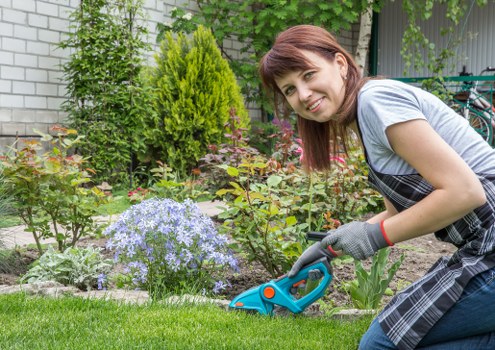 Gardeners Aldgate also pays attention to how different types of waste are handled across mixed-use streets and residential blocks. In some locations, compostable garden materials may be collected separately from dry recyclables, while other areas require more specific sorting of metals, plastics, and packaging. We adapt our working methods to respect these local patterns, ensuring that each load is prepared for the appropriate recycling stream. This flexibility is one reason our Gardeners Aldgate recycling approach remains effective in a diverse inner-city setting.
Another important element is resource recovery from garden renewals and soft landscaping changes. Old timber raised beds, broken trellis, and worn edging may sometimes be dismantled for reuse or material recycling. Even when some items cannot be salvaged, separating them early helps reduce the amount sent to landfill. We also keep an eye on cleaner arisings such as untreated wood and metal fittings, which can often be diverted through specialist recycling routes rather than treated as mixed waste.
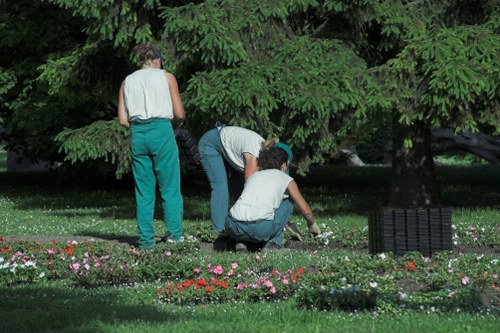 In the end, our aim is simple: to make Gardeners Aldgate sustainability practical, local, and measurable. By working toward a clear recycling percentage target, using local transfer stations wisely, partnering with charities, and operating low-carbon vans, we help gardens stay beautiful with less environmental cost. The result is a service shaped by reuse, recovery, and responsible waste separation, supporting both the immediate needs of clients and the longer-term health of the area.