Aldgate garden waste rules Tower Hamlets council explained
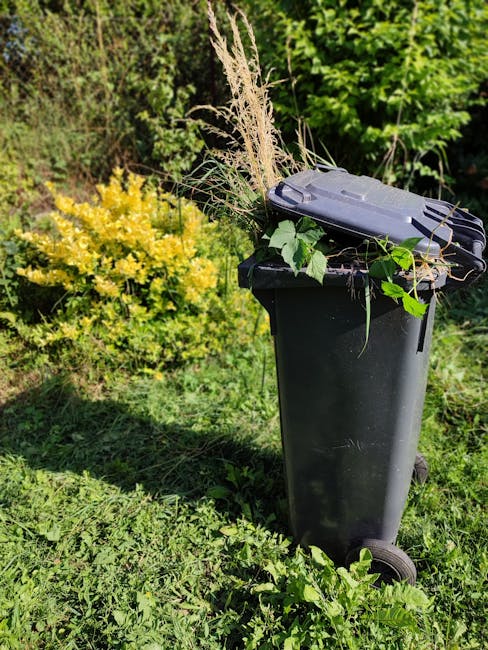
If you garden in Aldgate, it does not take long before the question comes up: what exactly should you do with grass cuttings, hedge trimmings, leaves, and the odd pile of ivy? The answer sounds simple at first, but in practice it can get a bit messy. Tower Hamlets council has rules for garden waste, and if you do not follow them, you can end up with bags left behind, repeated trips to the tip, or waste that is simply in the wrong place at the wrong time.
This guide gives you a clear, practical explanation of Aldgate garden waste rules Tower Hamlets council explained in a way that actually helps day to day. You will learn what counts as garden waste, how local collection usually works, what to avoid, and how to stay on the right side of council expectations without turning garden clear-up into a weekend headache.
And yes, if you have ever stood in the garden on a damp Tuesday evening staring at a mound of clippings and thinking, "right, now what?", you are in the right place.
- Why the rules matter
- How the system works
- Benefits for households and gardens
- Who needs to follow these rules
- Step-by-step guidance
- Expert tips for handling garden waste
- Common mistakes to avoid
- Tools, resources and recommendations
- Law, compliance and best practice
- Options and comparison table
- Real-world example
- Practical checklist
- Frequently asked questions
Why Aldgate garden waste rules Tower Hamlets council explained Matters
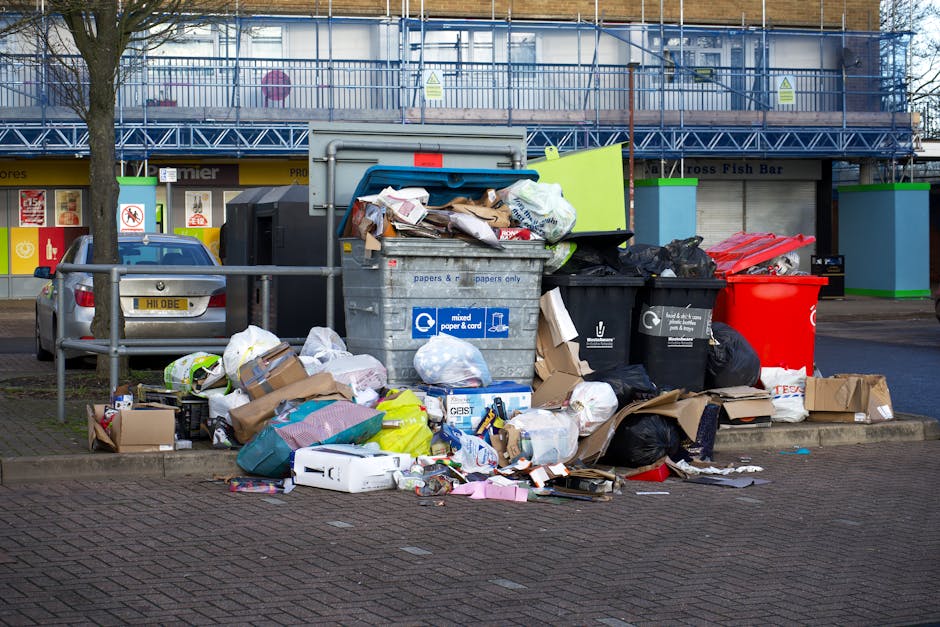
Garden waste may look harmless, but councils treat it differently from ordinary household rubbish for good reason. Fresh cuttings, branches, weeds and leaves can create smell, pests, blocked bins, and unnecessary landfill if they are mixed with general waste. In a busy area like Aldgate, that matters even more because space is tight, shared access is common, and bin storage is rarely generous. Let's face it, nobody wants a soggy sack of hedge cuttings sitting in a shared hallway for two days.
Following the rules also saves time. When waste is sorted properly, it is easier to manage, easier to collect, and less likely to be rejected. That means less back-and-forth and fewer last-minute scrambles when a garden tidy-up overflows into the pavement. You will also find that being organised makes larger jobs feel much smaller.
There is another practical angle too. If you are maintaining a front garden, communal space, or rental property, the way waste is stored and presented can affect neighbours, landlords, and contractors. A neat system avoids friction. It sounds minor, but in city living the small things become the big things rather quickly.
For anyone dealing with regular garden maintenance, it is worth seeing waste handling as part of the job rather than an annoying afterthought. If you are keeping on top of hedges or seasonal clearance, resources such as the guide to turning organic waste into rich soil and practical weed control tips can help you think more sustainably about what happens after the cut.
How Aldgate garden waste rules Tower Hamlets council explained Works
Although exact collection arrangements can change over time, the basic structure is usually straightforward: garden waste should be separated from ordinary rubbish, presented in the right way, and disposed of through the route the council allows. That route may involve a dedicated garden waste service, local collection guidance, or approved disposal facilities. The key point is that you should not assume garden waste can be treated like kitchen waste or general black-bag rubbish.
In normal UK local authority practice, garden waste commonly includes items such as:
- grass cuttings
- hedge trimmings
- small branches and twigs
- leaves
- weeds
- dead flowers and plant material
What often causes confusion is the grey area. For example, soil, stones, turf, large logs, and contaminated waste are not always accepted in the same way as soft green waste. Plastic pots, plant labels, ties, and compost bags can also change how the load is treated. You really do need to separate material properly. Otherwise, a perfectly sensible pile of trimmings can become a rejected load very quickly.
In practice, the rules usually revolve around three things:
- Separation - keep garden waste apart from household rubbish and recycling contamination.
- Presentation - use the right container, bag, bin, or bundle method if one is required.
- Collection timing - put it out only when allowed, and avoid overfilling or obstructing access.
A useful habit is to treat the waste stream as you go rather than at the end. A bucket for clippings, a separate pile for woody material, and a small container for plastic plant tags can save you a lot of sorting later.
Key Benefits and Practical Advantages
Good garden waste handling is not just about compliance. It makes gardening calmer, cleaner, and more predictable. That may sound a bit grand, but anyone who has had to untangle a mixed pile of branches, weeds and broken canes on a wet morning will know exactly what I mean.
Here are the main benefits:
- Less mess around the property - waste is dealt with before it spreads onto paths, shared entrances, or drives.
- Fewer missed collections - correct sorting reduces the chance of waste being left behind.
- Better garden hygiene - old leaves, diseased plant matter, and decaying material can be removed promptly.
- Less strain on household bins - garden debris takes up space fast, especially after pruning or autumn clear-outs.
- More sustainable gardening - organic material can often be composted or reused where appropriate.
There is also a quieter benefit: the garden feels easier to manage when waste has a home. You will notice that projects become less intimidating. A hedge trim is no longer a drama, just a tidy sequence of cut, gather, sort, and remove.
If you are interested in a more sustainable approach, it can help to pair waste management with smarter planting choices. Articles like this piece on ground covers and budget-friendly easy-care garden ideas are useful if you want fewer clippings and less constant clearing in the first place.
Who This Is For and When It Makes Sense
These rules matter for more people than you might think. Homeowners, tenants, landlords, gardeners, and property managers all run into garden waste at some point. Even a small patch of outdoor space can produce more debris than expected after a single pruning session.
You are especially likely to need a clear system if you:
- keep a small front or back garden in Aldgate
- manage a shared courtyard or communal planting area
- have hedges, shrubs, or climbers that need regular cutting back
- do seasonal tidy-ups in spring or autumn
- hire someone for garden maintenance and want the waste handled properly
It also makes sense if you are planning a bigger garden project. A redesign can create surprisingly large amounts of cuttings, roots, soil, and packaging. If your project involves reshaping beds, removing ivy, or changing structural planting, the waste plan should be considered before the first spade goes in. Otherwise the clean-up becomes the bottleneck, and nobody enjoys that part.
For busy households, the easiest approach is often to bundle waste handling into the job itself. Services such as garden maintenance, hedge trimming, and tree surgery naturally generate waste, so having a plan from the start keeps the whole process smoother.
Step-by-Step Guidance
If you want a simple way to stay compliant and avoid waste chaos, use this approach.
- Identify the material
Separate soft green waste, woody cuttings, soil, and non-organic items as early as possible. A mixed pile is always harder to manage. - Check what the council expects
Review the current local guidance before a big clear-up. Council waste rules can change, and collection methods are not something to guess at. - Choose the right storage method
Use the container or presentation method allowed by the council. Do not overstuff bags so tightly that they split in the first lift. That tiny shortcut usually backfires. - Keep waste dry and contained
Damp material is heavier, smellier, and more likely to become a nuisance. A covered area or temporary container helps. - Put it out at the correct time
Do not leave garden waste out too early. Rain, pests, and wind can turn a tidy bundle into a small disaster by morning. - Remove contamination
Take out pots, metal plant supports, string, plastic ties, and general rubbish before collection or disposal. - Plan for bulky material separately
Branches, roots, and large amounts of soil may need a different route. Do not assume everything can go together. - Repeat the process after each task
Regular small clear-ups are easier than one huge end-of-month pile. A little and often approach saves effort, honestly.
A good rule of thumb: if you would not want it mixed into compost, do not leave it mixed in with your green waste. That simple mental check helps more than people expect.
Expert Tips for Better Results
One of the easiest ways to make garden waste management less stressful is to work with the garden's rhythm rather than against it. In our experience, the best results come from small systems, not big heroic clean-ups.
Try these practical habits:
- Trim in stages - pruning a hedge in one go is often less manageable than trimming section by section.
- Use a dedicated green-waste area - even a small corner or trug can keep things under control while you work.
- Sort as you cut - separate soft growth from woody waste immediately.
- Compost where appropriate - suitable material can be turned into something useful rather than hauled away.
- Schedule big jobs before collection day - that gives you a better chance of moving waste promptly.
- Match planting style to maintenance time - lower-maintenance borders create less waste over the year.
If your garden contains dense climbers or persistent ivy, waste volumes can jump fast. For that kind of job, it is worth reading strategies for clearing ivy properly and ideas for evergreen climbers, because these plants can become a surprisingly heavy source of debris once they are cut back.
Also, do not forget the boring but important bit: good gloves, strong sacks, and a sturdy rake make the whole job far less frustrating. You do not need fancy gear. Just the right gear.
Common Mistakes to Avoid
Most garden waste problems are not dramatic; they are small mistakes repeated at the wrong moment. The annoying thing is that they are usually easy to avoid. Usually.
- Mixing garden waste with general rubbish - this is one of the quickest ways to create disposal issues.
- Including plastic, metal or treated wood without checking - not everything green-looking counts as green waste.
- Overfilling bags or bins - heavy sacks split, and then you have waste all over the path.
- Leaving waste exposed in windy weather - bags blow open, leaves scatter, and the tidy-up becomes a second tidy-up.
- Putting out waste too early - the rain soaks it, and the street is left looking untidy.
- Assuming all bulky material is accepted the same way - branches, roots, soil and turf often need separate handling.
- Ignoring shared-space etiquette - in flats or shared houses, poorly placed waste can become a neighbour issue fast.
Another common one is underestimating seasonal volume. Autumn leaf fall and spring cutting sessions always seem manageable until they arrive all at once. A bit of planning helps you stay ahead of it, rather than fighting the pile after it has already won.
Tools, Resources and Recommendations
You do not need a massive toolkit to handle garden waste well. A small set of reliable items will do most of the work.
| Tool or resource | What it helps with | Why it matters |
|---|---|---|
| Heavy-duty garden sacks | Gathering cuttings and leaves | Reduces tearing and spillages |
| Rake and leaf grabber | Collecting loose debris | Speeds up autumn and post-pruning clear-ups |
| Bypass loppers | Small woody stems | Makes sorting easier and cleaner |
| Gloves with grip | Handling thorny or damp waste | Improves comfort and safety |
| Wheelbarrow or trug | Moving waste in stages | Useful for larger gardens or shared spaces |
| Compost bin | Reusing suitable organic waste | Turns part of the waste stream into something useful |
If you are redesigning the garden to reduce waste over time, a few strategic choices help a lot. For example, ground covers can reduce weeding, vertical planting can make maintenance easier in tight spaces, and carefully chosen shrubs can limit the need for constant pruning. You can explore more on vertical gardening and starter garden planning tips if you want the bigger picture.
And if the work is becoming too much to manage alone, it is completely reasonable to ask for help. A quick conversation through the contact page can save a lot of trial and error, especially before a big seasonal tidy-up.
Law, Compliance, Standards, or Best Practice
When people search for garden waste rules, they are usually looking for a simple answer, but the real world is slightly more nuanced. Local councils can set their own collection arrangements, and residents are expected to follow current guidance rather than rely on habit or hearsay. That means you should always check the latest Tower Hamlets position before arranging disposal, especially if you have bulky material or a larger-than-usual clearance.
From a best-practice perspective, there are a few sensible principles to stick to:
- Separate waste streams so recyclable and compostable material is not contaminated.
- Avoid fly-tipping risks by using only authorised disposal methods.
- Keep pavements and shared entrances clear when presenting waste for collection.
- Handle sharp or thorny material safely to reduce injury risk.
- Store waste responsibly if it cannot be moved immediately.
If you pay a contractor to clear the garden, the business should also work responsibly with waste handling, public safety, and access. That is where trust matters. Look for clear communication, sensible scheduling, and good housekeeping on site. It is not glamorous, but it is the mark of a professional job.
For broader service standards and peace of mind, pages such as health and safety policy, insurance and safety, and terms and conditions are useful reads when you are choosing someone to help with larger garden work.
Options, Methods, or Comparison Table
There is more than one way to manage garden waste in Aldgate, and the best method depends on the size of the job, how often waste is created, and how much time you want to spend on it. Here is a simple comparison.
| Method | Best for | Pros | Trade-offs |
|---|---|---|---|
| Council collection route | Routine household garden waste | Convenient and familiar | Must follow presentation rules carefully |
| On-site composting | Leaves, grass, soft plant matter | Eco-friendly and cost-effective | Not suitable for all materials |
| Private garden clearance | Large, one-off or overgrown jobs | Fast and thorough | Needs proper waste handling and planning |
| Tip run / authorised disposal | Bulky or mixed loads | Good for varied material | Takes time and transport |
| Regular maintenance schedule | Ongoing gardens with steady growth | Prevents build-up | Requires consistency |
For many Aldgate households, the sweet spot is a mix: compost what you can, collect what you should, and book help when the waste pile starts looking like a small hedge maze. Not ideal to ignore it and hope for the best, truth be told.
Case Study or Real-World Example
Imagine a typical Aldgate courtyard garden after a long, mild growing spell. The hedges have flared out a little, climbers have pushed into the pathway, and the raised beds are full of dead stems and leaf litter. Nothing outrageous. Just enough to make the space feel cluttered and a bit tired.
The first instinct might be to cut everything back in one morning and stack the waste in a corner. That works for about ten minutes. Then the sacks get heavier, the mixed material becomes awkward, and someone realises the plastic plant ties are still tangled up in the branches. The job slows down, and the waste pile starts taking over.
A better approach is much calmer. Cut one area at a time, sort as you go, keep woody material separate from soft waste, and only put out what fits the approved disposal method. If the load gets too large, pause and clear it in stages. That sort of method feels slower at first, but it usually finishes faster overall because nothing has to be sorted twice.
That is exactly where good garden planning and good waste handling meet. A tidy structure, a realistic schedule, and the right disposal route make even a slightly overgrown garden feel manageable again. A small win, but a satisfying one.
Practical Checklist
Use this checklist before and after a garden job in Aldgate:
- Have I separated garden waste from general rubbish?
- Do I know what material the council will and will not accept?
- Have I removed plastic, metal, stones, and other contamination?
- Am I using the correct bags, bins, or bundles?
- Have I avoided overfilling containers?
- Is the waste stored neatly and safely until collection?
- Have I checked timing so the waste will not sit out too long?
- Do I need a bigger solution for bulky branches, turf, or roots?
- Would composting reduce the amount I need to remove?
- Have I planned enough time for the clean-up, not just the cutting?
Expert summary: keep it separated, keep it contained, and keep it simple. That is the easiest way to stay compliant and avoid unnecessary hassle.
Conclusion
Once you understand the basics, Aldgate garden waste does not have to be complicated. The main idea is simple: sort waste properly, follow Tower Hamlets council guidance, and choose a disposal method that fits the size of the job. Do that well, and your garden stays cleaner, your collections run more smoothly, and you avoid the little problems that turn into bigger ones later.
For many people, the real value is peace of mind. You know where the clippings are going, you know what to do with the branches, and you are not left guessing when the bags start piling up. That confidence matters, especially in a busy London setting where space and time are both precious.
If you are planning a bigger tidy-up, hedge reduction, or full garden refresh, it is worth getting advice before the waste build-up begins. A smart plan at the start makes the whole process lighter, easier, and far less annoying. And frankly, gardening is much nicer when the aftercare does not feel like a punishment.
Get a free quote today and see how much you can save.
With a little planning and the right habits, waste stops being a nuisance and becomes just another manageable part of looking after a good garden. That is a nice place to get to.
Frequently Asked Questions
What counts as garden waste in Aldgate?
In most cases, garden waste means organic material from routine gardening, such as grass cuttings, leaves, hedge trimmings, weeds, and small branches. Soil, stones, plastic pots, ties, and other non-organic items may need different handling.
Can I put garden waste in my normal household bin?
Usually not in bulk. Garden waste is often meant to be separated from general rubbish, and mixing it into normal bins can create collection issues or extra weight problems.
Do I need to sort garden waste before collection?
Yes, that is the safest approach. Separate organic waste from plastic, metal, and general rubbish before putting it out. It saves time and reduces the chance of rejection.
What should I do with hedge trimmings and branches?
Small hedge trimmings usually fall into standard green waste handling, but larger woody material may need a different route. If the pile is substantial, check the current council guidance before putting it out.
Can I compost garden waste at home?
Yes, for suitable material. Leaves, grass clippings, soft plant matter, and some weeds can often be composted. Avoid composting anything diseased or contaminated unless you are sure it is appropriate.
What happens if I put the wrong waste out?
The waste may be left behind, especially if it is contaminated or presented incorrectly. In some cases, you may need to re-sort it and arrange another disposal method.
How do I handle a large garden clearance?
Break it into stages, separate the waste types, and plan disposal before you start cutting. For bigger jobs, a professional clearance or maintenance service can save a lot of effort.
Is garden waste the same as food waste?
No. Garden waste is plant-based outdoor material, while food waste comes from kitchens. Councils usually treat them as separate streams.
What is the easiest way to reduce garden waste in the first place?
Choose lower-maintenance planting, prune regularly rather than in one huge session, and use ground covers or well-planned borders that reduce the amount of constant cutback.
Should I leave garden waste out the night before collection?
Only if the current collection guidance allows it. Leaving waste out too early can lead to windblown mess, damp material, and neighbour complaints. Better to time it carefully.
Can a gardener take care of the waste for me?
Yes, if you arrange it that way. It is sensible to ask how waste will be sorted, stored, and removed before any work begins. Good communication avoids surprises later.
Where can I get help if I am not sure what applies to my garden?
If you want a practical answer for your own property, use the contact page to ask for advice. For ongoing help, services like gardening services, lawn care, and patio cleaning can support a cleaner, easier-to-manage outdoor space.